
First Aid Kits Reimagined
First Aid Kits
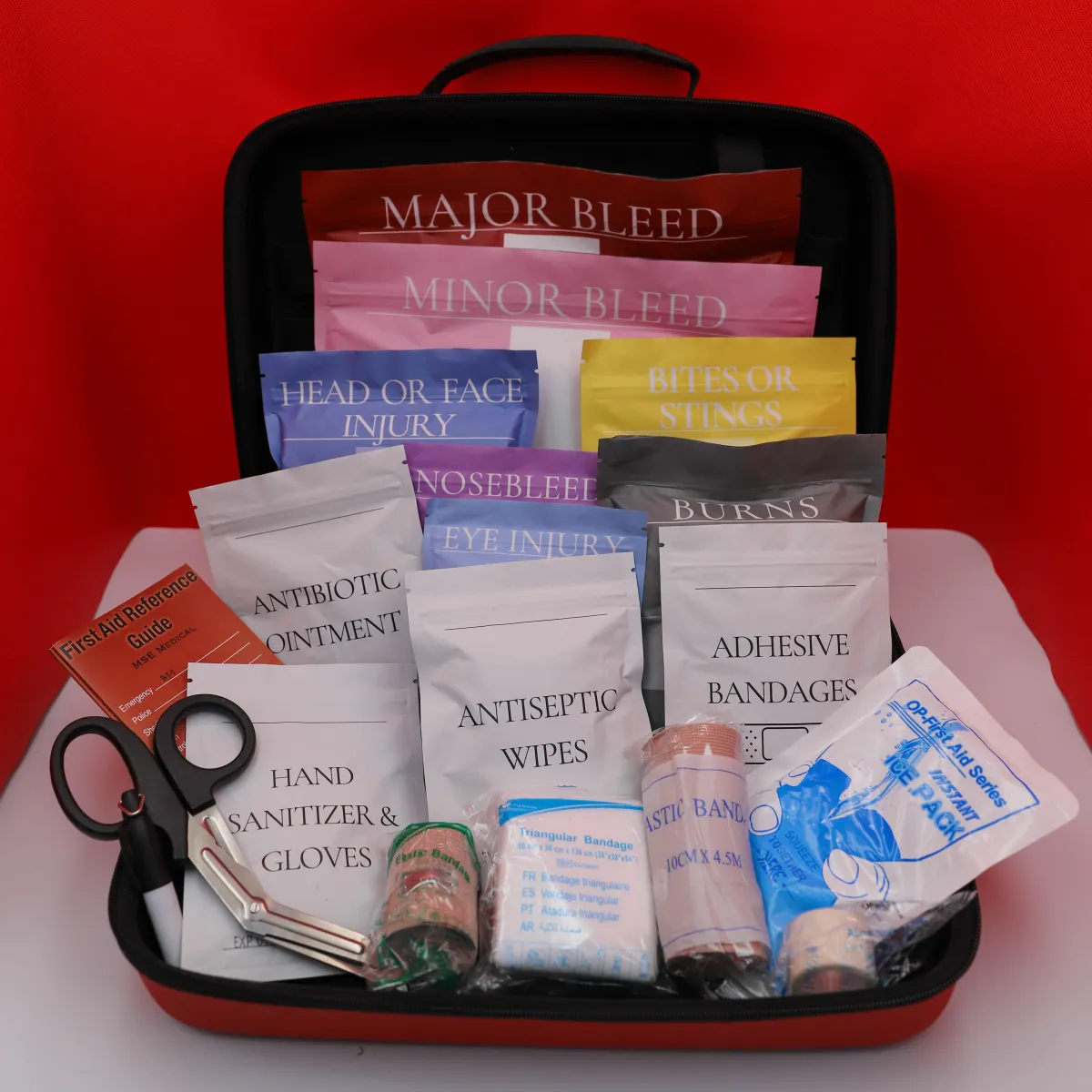
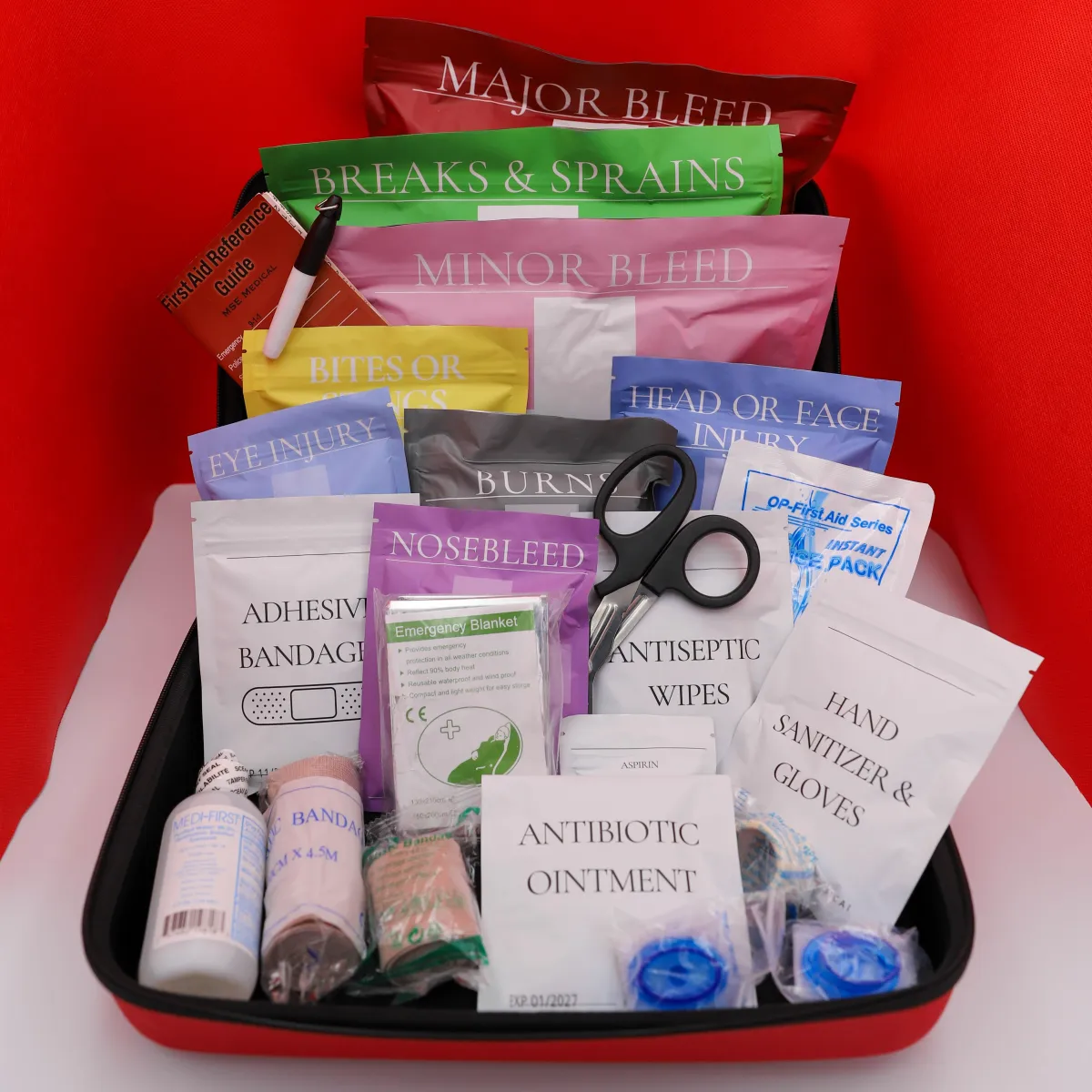
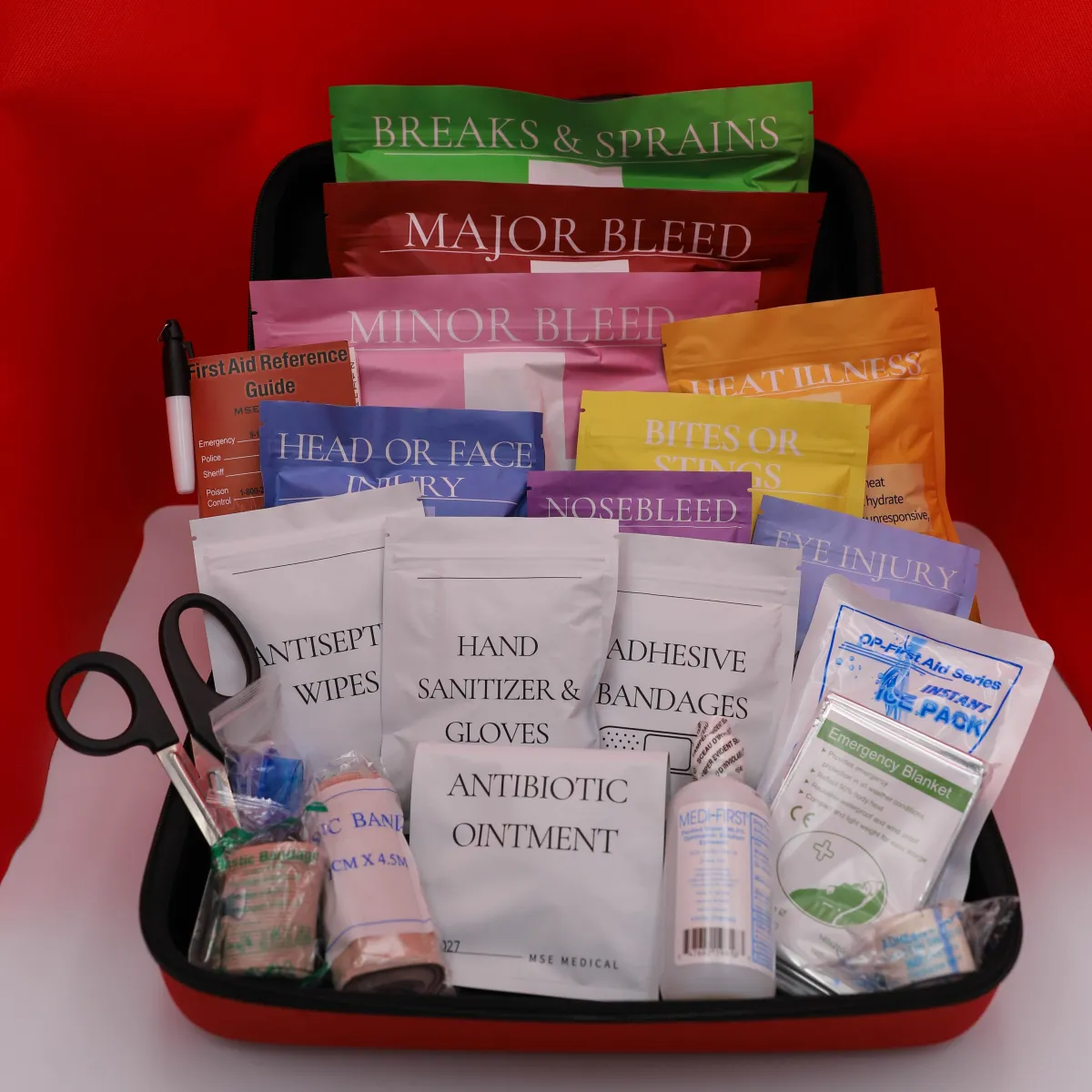
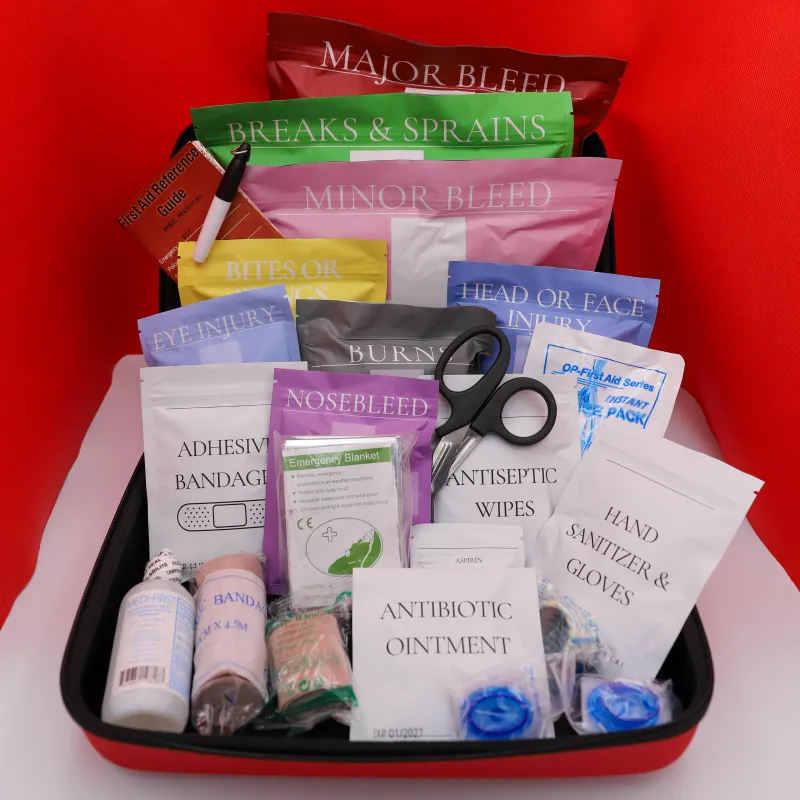
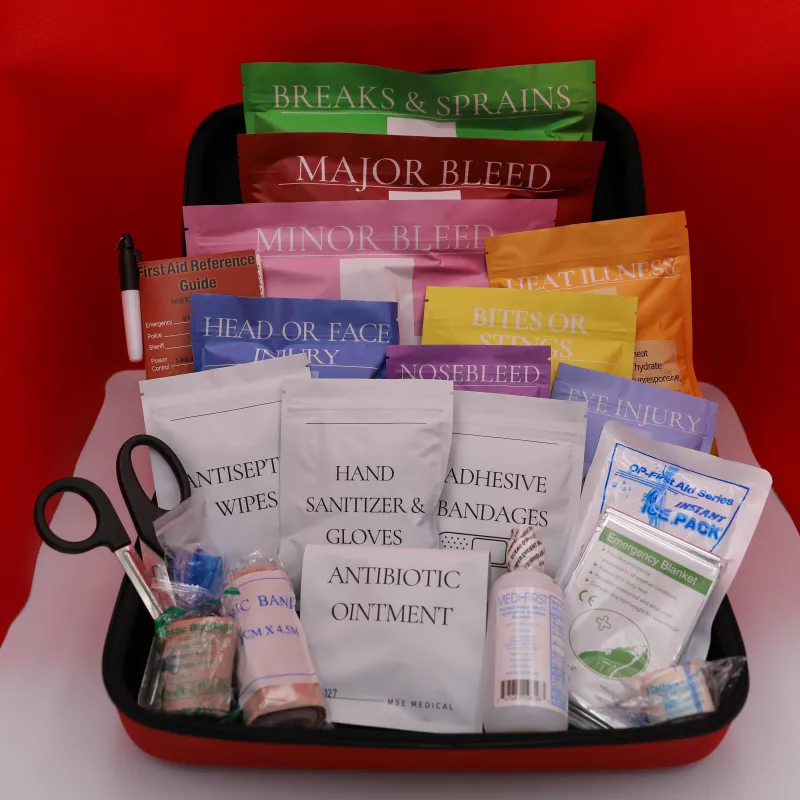
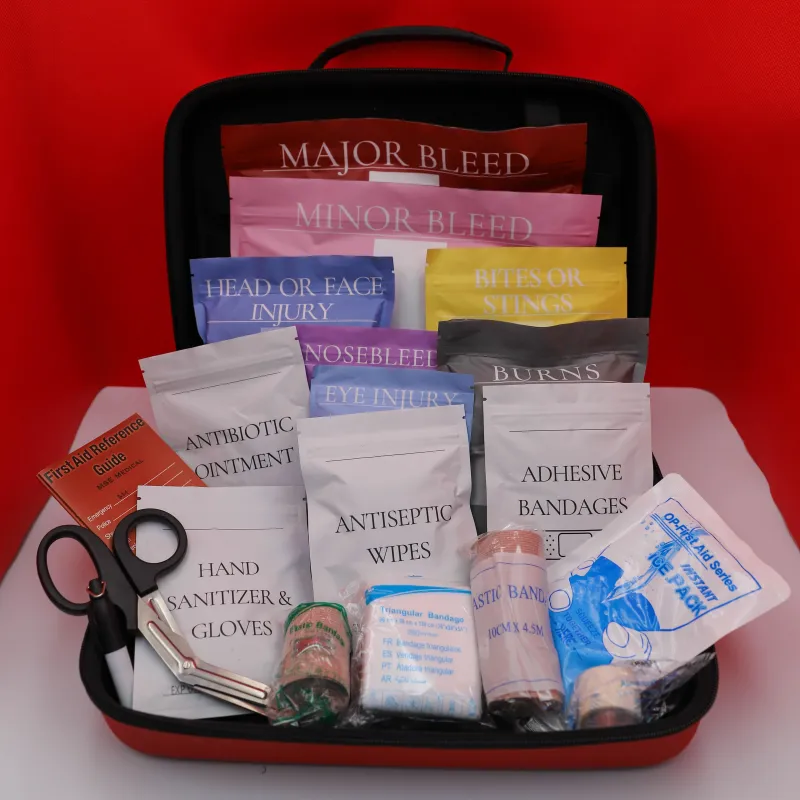
Specifically packaged kits designed to save time when seconds matter.


What Client Our Says About Us

Company Name should look
for ones that are specific,
detailed, and highlight the
unique benefits of working with
the company.
Alex John Martin
Manager
Company Name should look
for ones that are specific,
detailed, and highlight the
unique benefits of working with
the company.
Alex John Martin
Manager
Company Name should look
for ones that are specific,
detailed, and highlight the
unique benefits of working with
the company.
Alex John Martin
Manager
See Our Latest Blogs
Stay up-to-date with our latest insights, tips, and trends by diving into our newest blogs. Whether you're seeking industry expertise, marketing strategies, or product inspiration, our blog section is your go-to resource for valuable content.
What's Actually Missing From Your Jobsite First Aid Kit
I spent 14 years as a pediatric ER, trauma, and critical care transport nurse. In that time I learned something that has shaped everything I build: the injuries that actually happen are rarely the ones the kit on the wall was designed for.
Most first aid kits are stocked for paper cuts and small scrapes. A jobsite is a different place. Saws, nail guns, heat, heavy materials, and long distances from help mean the injuries can be bigger and faster. Here’s what I’d check on your kit today.
1. Is it actually built to the standard?
OSHA requires employers to keep adequate first aid supplies on site. For what counts as adequate, workplaces commonly look to ANSI/ISEA Z308.1, the national standard for first aid kit contents. It sorts kits into classes. Class A covers the typical injuries of common workplaces. Class B is for larger or higher-risk sites with more people and more hazards.
Here’s the catch: a box labeled “first aid kit” isn’t automatically built to that standard. Flip it over and look for Z308.1 on the label. If it isn’t there, you don’t know what you have.
2. Is it organized the way an emergency actually works?
In critical care transport, we worked from crash-cart logic: supplies grouped by the problem you’re solving, not scattered by item. When someone is bleeding, you don’t want to dig through a jumble of loose bandages, tape, and wipes to find what stops it.
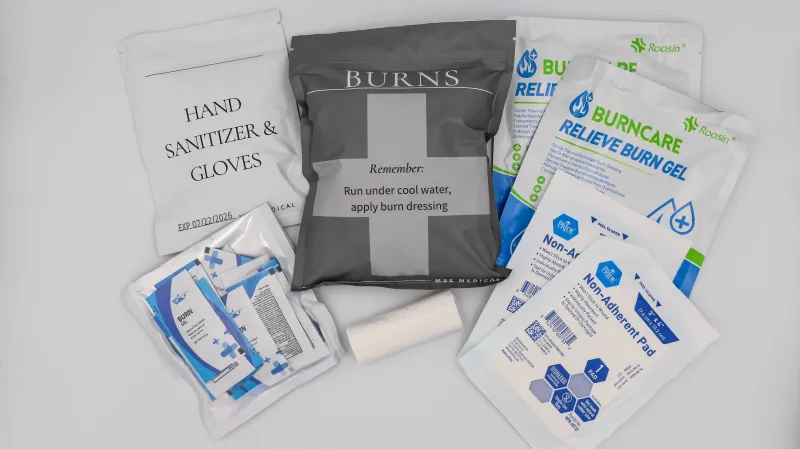
That’s why I build kits by injury type. Bleeding supplies sit together. Burn supplies sit together. In a stressful moment, nobody should have to guess where to look.
3. A five-minute audit of your current kit
Open your kit and ask:
- Bleeding: Do you have large dressings and enough gauze to control more than a small cut?
- Burns: Is there burn care for heat and chemical burns, beyond a single tube of ointment?
- Eyes: Is there eyewash for dust, debris, or splashes?
- Protection: Are there gloves in sizes that fit your crew, and trauma shears for cutting clothing?
- Sprains and breaks: Are there cold packs and a way to wrap or support an injured limb?
- Expiry dates: Is anything expired, damaged, or already used up?
If you answered no to any of these, that’s your gap.
4. Is it sized for your crew, and can people find it?
A kit built for 10 people won’t stretch to 50. Our Blue Collar Kit is a Class A kit built for jobsites of up to 50 people. Larger crews, or sites spread over several work areas, need more than one kit.
Just as important: everyone on site should know where the kit is. Mount it somewhere visible, check it on a regular schedule, and restock right after it’s used.
The bottom line
A first aid kit is only useful if it has the right supplies, in the right place, in an order that makes sense under pressure. If you’d rather not build that yourself, that’s what the Blue Collar Kit is for: OSHA and ANSI Z308.1 Class A compliant, organized by injury type, and designed by a nurse who has treated these injuries in the ER.
Have questions about what your jobsite needs? Reach out, and I’m happy to help you think it through.

About Us
At MSE Med Co, we build first aid kits that do more than check boxes—they save lives.


